Punk
Punk is a music genre which peeked during the mid to late 1970's. Influenced by the attitude, image and the sound of earlier 1950's and 60's rock n roll, aswell as artists like The Velvet Underground, Iggy and The Stooges and The MC5, Punk was a loud, raw and an aggresive genre. The typical punk instrumentation included vocals, drum kit, bass guitar and electric guitar. In the genre of punk it wasn't essential for the musician to be able to play their instrument very well and therefore punk developed a " Do it yourself " attitude. This was the opposite to earlier genres shuch as Prog Rock which required a great amount of skill from the musician.
During the 1950's many new American artists began to perform with attitude and push boundaries when performing their music. One example of this was Elvis Presleys hip and leg movements during his songs. This new attitude reflected on the teenage audience who in various ways started to rebel against authority. As with the 1950's, the 1960's saw another movement similar to the 50's, however it occured more so in the UK. The decade again saw a change in the way young people acted. One of the main changes was the fashion in which the punk scene drew from.
By the late 1960's and early 70's, bands like Iggy and the Stooges and the MC5 were emerging playing fast, energetic and aggresive music. This style of music later became known as 'Protopunk'.
As the 1970's progressed, their was a new scene developing in the New York area with Bands like New York Dolls and The Rammones at the forefront. The music was again stripped down and played at a fast pace with lots of aggresion. As the scene developed British artists began to draw from these bands not only with the sound but also the image and fashion. One example of this is when Malcolm Mclaren visited New York and took ideas from the scene. He then took these ideas back to England where he owned a clothing store called 'Let it Rock' which he renamed 'Sex'. http://en.wikipedia.org/wiki/Malcolm_mclaren
By 1976 the punk movement was well under way in the UK, especially London. New bands were beginning to form, creating music which had a distingtive, raw sound and consited of rebelious, anti-establishment lyrics. The Sex Pistols single, 'Anarchy in the UK' was a prim example. Along with the music came the ima ge of the genre. Partly influenced by the earlier American scene, bands and their followings in the UK started wearing leather jackets, chains, pearcings and ripped jeans. Also the hairstyle known as the 'mohawk' was adopted by many 'Punks'.
 ge of the genre. Partly influenced by the earlier American scene, bands and their followings in the UK started wearing leather jackets, chains, pearcings and ripped jeans. Also the hairstyle known as the 'mohawk' was adopted by many 'Punks'.
 The following year the The Sex Pistols released their debut album  'Never Mind The Bollocks' with new bass player sid vicious, who, after his death in 1979 would become a punk icon.
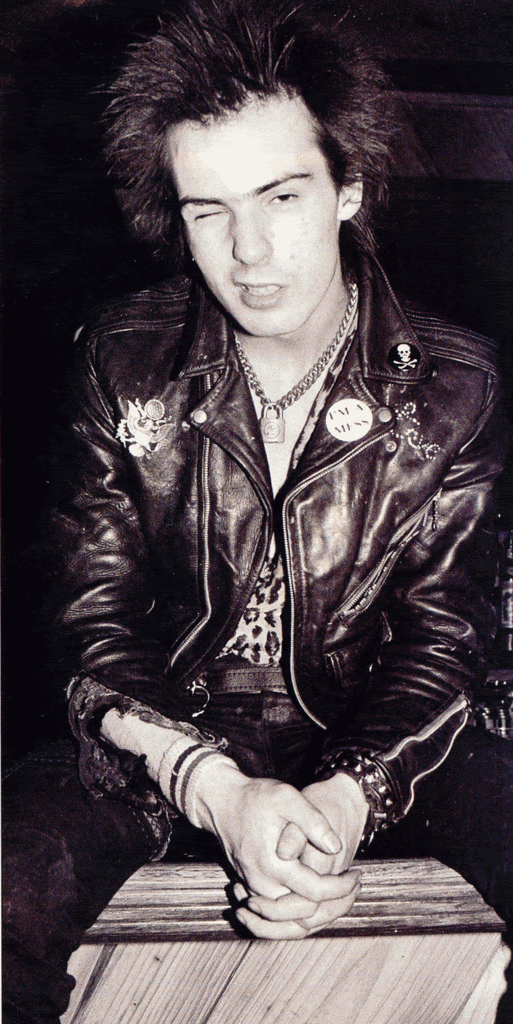 'Never Mind The Bollocks' with new bass player sid vicious, who, after his death in 1979 would become a punk icon.
Along with The Sex Pistols, bands like The Damned were relesing music of a similar kind. 'The Jam' relesed their debut album 'In The City' the same year. Although The Jam had similar characteristics to bands in the punk scene, ( e.g fast tempo songs, political and anti-establishment lyrics) the way they dressed, acted and performed was completely different.
1979 saw the decline in the popularity of punk. At the end of the previous year and throughout many of the mainstream punk acts split up. The Clash, who released the single 'London Calling' that year began playing stadium gigs to huge crowds. This was completely against the idea of punk music being played on a crowd level in a small venue. The punk scene was fading out.
Since the punk explosion in the 1970's, the genre has gone on to influence many other genres and artists. The grunge movement of the 1990's took direct influences of the sound and most importantly the attitude and rebellious nature of punk. Many subgenres have been created from punk, one of the most famous being 'pop-punk' which has seen bands like 'Green Day' and 'The Offspring' sell many records.

No comments:
Post a Comment